
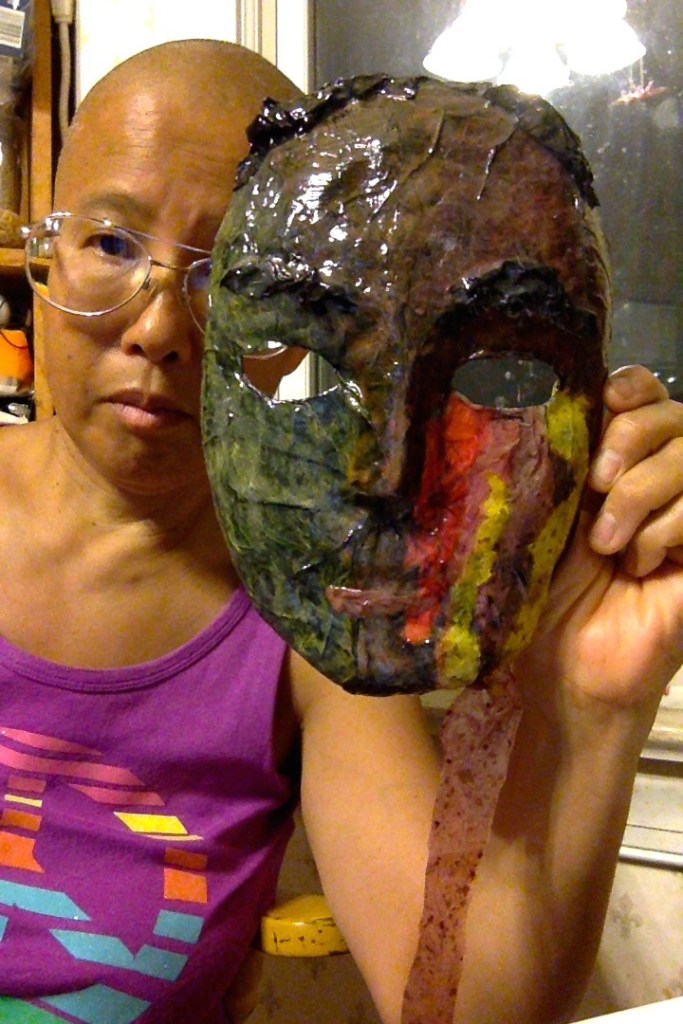

My name is Yuri Yamamoto. I am a board-certified clinical chaplain, an Accompanist for the Soul. Here are songs I wrote as a chaplain. I have completed nine units of Clinical Pastoral Education at local hospitals accredited with the Association of Clinical Pastoral Education, a Master of Divinity from the Shaw University Divinity School, and the Expressive Arts Therapy graduate certificate from the Appalachian State University. I am not a licensed counselor or a therapist. I am a Christian and a Unitarian Universalist.
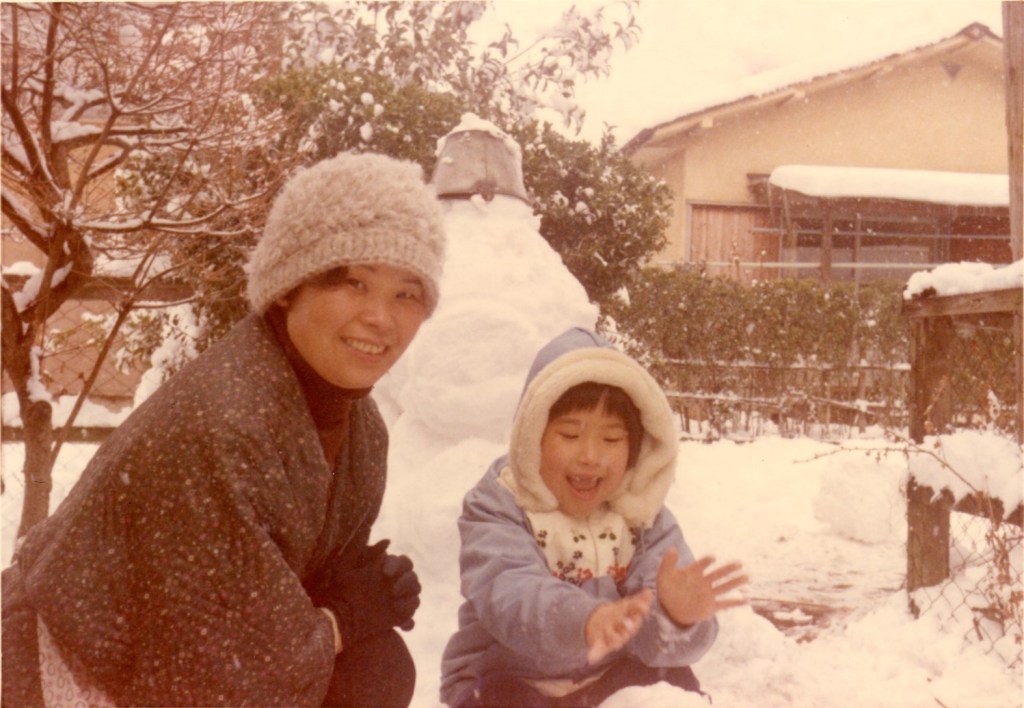
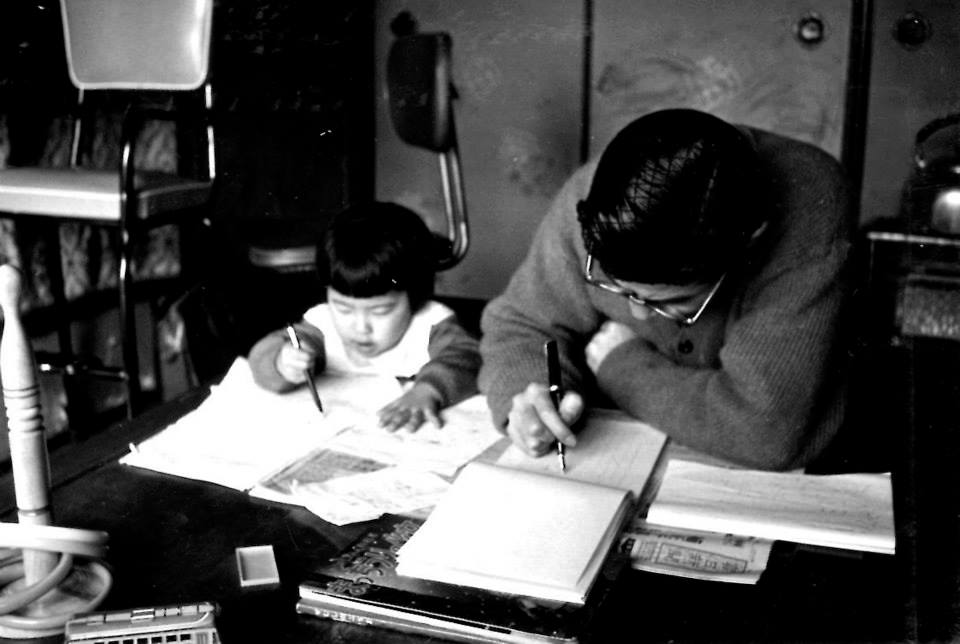
I was born in Japan as 竹島ユリ (takeshima yuri). When I was in a grade school, a classmate told me that my full name actually was a name of a flower. I studied classical piano in Japan since I was three. Growing up in an anti-religious family in Japan, my spiritual journey has been long and winding. I sought gods in nature, sacred places (Buddhist temples and Shinto shrines), traditional rituals, and in my heart. I gave up music and studied animal science in college. After I got married and came to the United States, I continued my graduate study in genetics.
After many years of working as a PhD scientist, I became a professional musician. Between 2003 and 2018, I served as a pianist and a music director for a Unitarian Universalist congregation. This environment helped me explore my cultural and spiritual roots and racial identity. I also began working with singers and instrumentalists as a collaborative pianist.
I began improvising and composing music around 2011, the year when my home country was hit by the massive East Japan Earthquake with tsunami and nuclear disaster and my father became terminally ill. I volunteered at disaster sites and witnessed a great deal of pain and suffering. This was when I began listening to peoples’ stories and using music in helping people and myself heal.
In the same year, I had a racial identity crisis. After I came to the United States, I tried very hard to be a real American, learning to think like one, communicate like one, move like one, and live like one. I wrote about this issue in this blog. As an ignorant immigrant, I thought, my uncomfortable situations with real Americans (microaggressions) must be due to my own fault for not meeting their expectations. I even began pronouncing my own Japanese name in an American way (I talk about this story in this video, starting around 15:40). Unconsciously, I was trying to assimilate to the norm of American white middle class (and mostly male academics). I considered what real Americans said to me or about me as the sign of my progress, or lack thereof, and suppressed who I was and my own culture.
One day, I was listening to a Taiwanese American person, born and raised in the U.S. (she should be a real American, right?), talk about her experience of being marginalized in a Unitarian Universalist setting. I suddenly realized that I had the same experience. This was my turning point. I wrote about this experience in a book, Unitarian Universalists of Color: Stories of Struggle, Courage, Love, and Faith, a collection of stories my friends and I organized, edited, and published together. Later, I found this video, and it also resonated with me.
Music improvisation, expressive arts, consciousness dance, spiritual exploration, theological education, chaplain training and racial equity/diversity training and conversations have helped me begin redefining who I am. I am still working on understanding the complex global history and systems of intersecting oppression, and how I am situated within those global stories as a person of multiple identities and ancestral, familial, and personal stories, including Japanese imperialism and colonialism. I wrote an essay in this journal about my journey of healing from learning about my family stories and finding a copy of a book authored by my great grandmother in Sacramento, California.
In 2013, I received a grant from the United Arts Council to produce my first original album, Japan, My Homeland, to support the people affected by the disaster. My second album, Mother and Son, Improvisation, features my son, Sabu Yamamoto, on violin. My third album, A Trauma Healing Journey with Piano Improvisation, features piano improvisation pieces as part of my own recovery from an emotional trauma. They are all available on Spotify.
My path to Christianity was initially inspired by Japanese Christian writers who had wrestled with their identities as a religious minority. Since then, a prison ministry, a Christian racial reconciliation group, and Christian leaders who are committed to justice and liberation has guided my journey. Both theological education and chaplain training have helped articulate what my kind of Christian means to me.
I continue to evolve. Getting to know myself and becoming more authentic me is a life long journey. I look forward to learning about you.
You can find my blog entries here. I also have essays published in https://aawolsisters.com/ (Here is a recent one) and https://www.uua.org/people/yuri-yamamoto.
 Accompanist for the Soul
